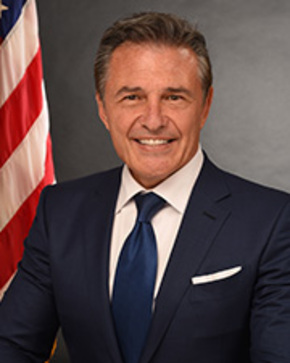
John Bardis
John Bardis entering the group purchasing organization (GPO) ring in the mid-1990s was nothing short of executing a half nelson that quickly moved to a cradle on the healthcare industry segment. He acquired one leading national GPO, then added several more companies to the mix to broaden and bulk up its reach into clinical, financial and operational improvement. These efforts homed in on managing physician preference item expenses, linking supply chain technology to revenue cycle to drive financial accuracy and efficiency and bringing renewed interest in delivering on contractual savings outcomes. His efforts were merely a continuation of his earlier impact on healthcare product distribution, equipment manufacturing and provider organization management where he converted eight-digit revenue streams at three different companies to nine-digits, earning awards for his business acumen, foresight and prowess. After selling what became the third-largest GPO for a 10-digit sum, Bardis migrated next to the politcal arena to oversee administrative, human resources and information technology operations for the U.S. Department of Health and Human Services with a mission to control federal agency costs and improve efficiency.
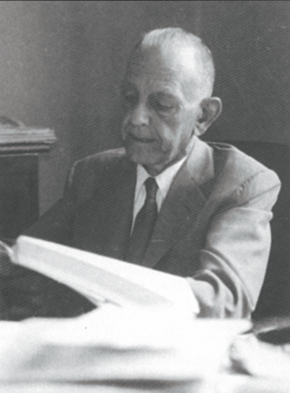
William A. Baum Sr.
William A. Baum Sr. originally worked as a statistical clerk for a large clinic that performed pre-employment and pre-insurance physical examinations and medical testing and noticed a serious problem. He recognized that blood pressure readings from the instruments in use at the time were unreliable. Rather than complain about it or do nothing, Baum spotted an opportunity to improve the product and technique that would become the bedrock and gold standard for blood pressure monitoring for decades to come. In 1910, he created a simple, relatively inexpensive and easy-to-use mercury gravity machine that he called the “Baumanometer,” patented it and built a company around it that continues today to supply physicians and hospitals with the technology. Baum knew what his clinical customers needed to measure certain vital signs and provided reliable products to do the job accurately.




 Future Famers Class of 2026 - Left to Right
 Future Famers Class of 2024 - Left to Right
 Future Famers Class of 2023 - Left to right:
 Future Famers Class of 2022 - Left to right
 Future Famers Class of 2020 - Left to right:
 Future Famers Class of 2019 - Left to right: Geisinger Health’s Jun B. Amora, Memorial Health System’s Erin M. Bromley, Avera
Health’s Sara M. Henderson, Mid-America Service Solutions’ Jessica Rinderle and Dartmout-Hitchcock
Health’s Sidney L. Hamilton.
Not pictured: The University of Kansas Health System’s Brian A. Dolan.
Future Famers Class of 2019 - Left to right: Geisinger Health’s Jun B. Amora, Memorial Health System’s Erin M. Bromley, Avera
Health’s Sara M. Henderson, Mid-America Service Solutions’ Jessica Rinderle and Dartmout-Hitchcock
Health’s Sidney L. Hamilton.
Not pictured: The University of Kansas Health System’s Brian A. Dolan.
 Future Famers Class of 2018 - Standing (left to right): Troy Compardo, Amy Chieppa and Andy Leaders. Not pictured: Ryan Rotar.
 Future Famers Class of 2017 - Standing (left to right): Mark Growcott, Ph.D., Karen Kresnik, R.N., and Ben Cahoy. Not pictured: Derek Havens and Christy Crestin.
 Future Famers Class of 2016 - Standing (left to right): Erik Walerius, Nisha Lulla and Rob Proctor. Not pictured: Jimmy Henderson, Kate Polczynski and Baljeet Sangha.
 Future Famers Class of 2015 - Standing (left to right): University of Chicago’s Eric Tritch, Ochsner Health’s Will Barrette, Providence Health’s Justin Freed, Mercy Health/St. Rita’s Jason Hays, Parkview Health’s Donna Van Vlerah and Texas Health’s Nate Mickish (back and to the right).
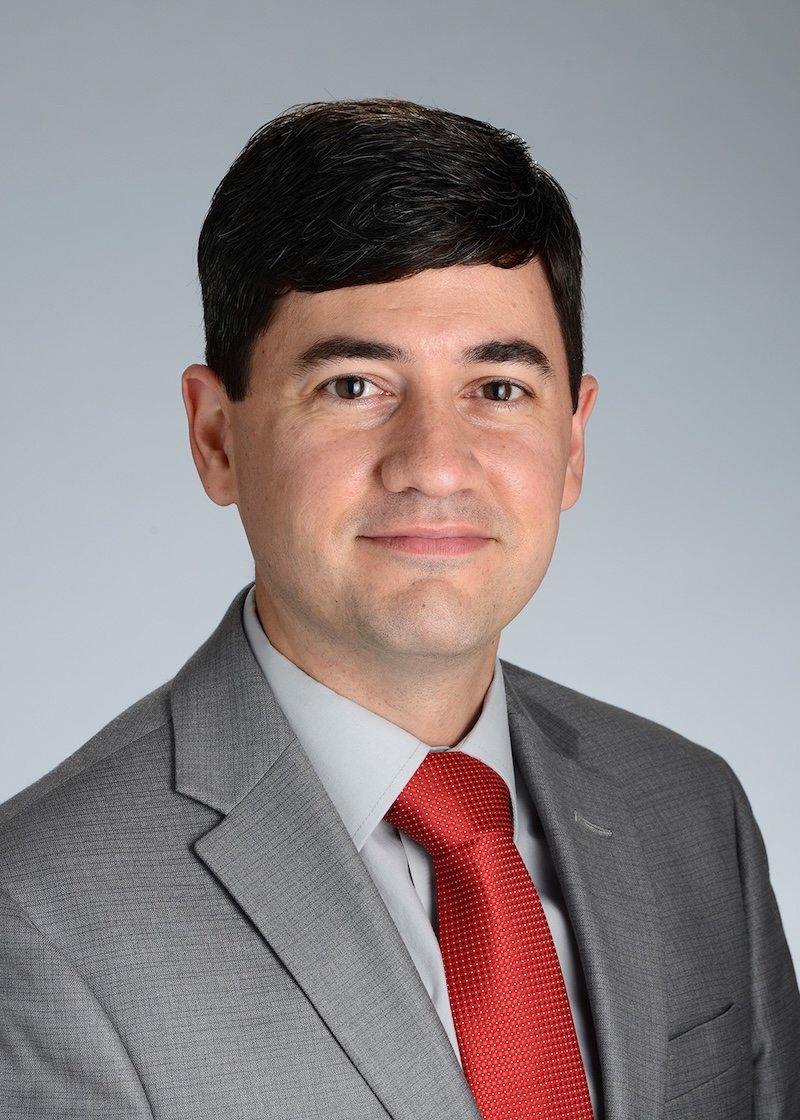 Neil Allen, Senior Director, Spend Management and Administration, University of Kansas Health System, Mission, KS
 Allison Corry, former Chief Supply Chain Officer, Intermountain Health, Salt Lake City, UT
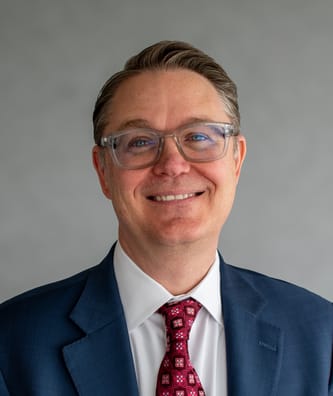 Jason R. Moulding, FACHE, FAHRMM, Chief Supply Chain Officer & Vice President, Performance Management, MultiCare Health, and President, Myriadd Supply Network and Strategies, Tacoma, WA
 Amanda Chawla, MBA, MHA, FACHE, CMRP, Vice President and Chief Supply Chain Officer, Stanford Medicine, Palo Alto, CA
 Anand S. Joshi, M.D., MBA, Senior Vice President, Procurement and Strategic Sourcing, New York-Presbyterian Hospital, New York
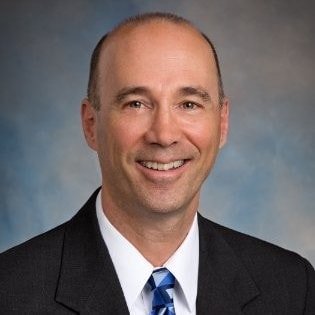 Michael McCullough, Senior Vice President, Supply Chain, Wellstar Health System, Marietta, Google Analytics
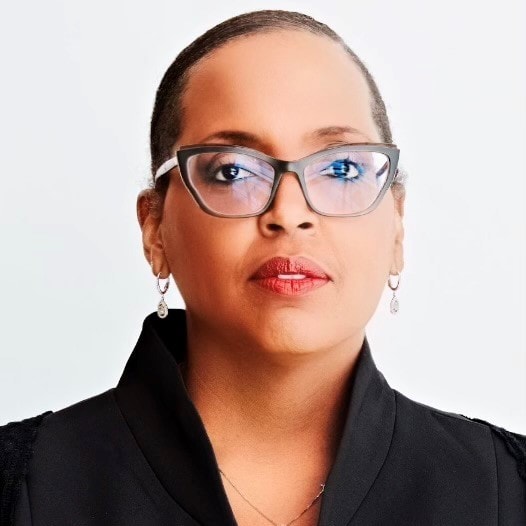 Régine Honoré Villain, Vice President, Supply Chain Network and Chief Supply Chain Officer, Ochsner Health, Baton Rouge, LA
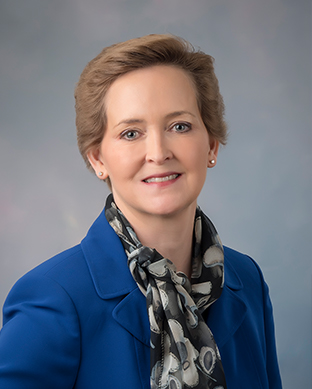 Donna Van Vlerah, Senior Vice President, Supply & Support Services, Support Division, Parkview Health, Fort Wayne, IN
 Randy V. Bradley, Ph.D., CPHIMS, FHIMSS, Associate Professor of Supply Chain Management and Information Systems, University of Tennessee Knoxville, Haslam College of Business, Department of Supply Chain Management
 Mayo Clinic’s Jim Francis accepts the 2017 Dean S. Ammer Award for Supply Chain Excellence, on behalf of his Ammer Level 5 Supply Chain Organization.
 Michael Louviere accepts the inaugural Dean S. Ammer Award for Supply Chain Excellence on behalf of his Supply Chain team at Ochsner Health System.